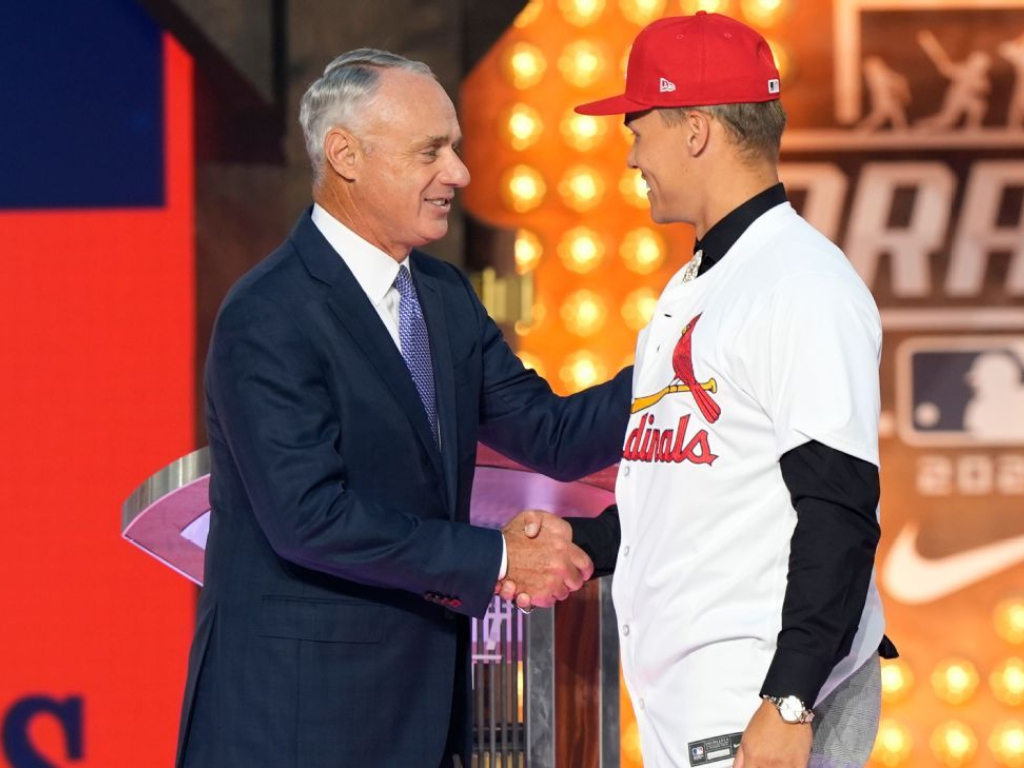
Strategy, Lottery Picks, and Bonus Pools
Understanding the MLB Draft and Its Role in Player Development
The MLB Draft serves as a critical entry point for most North American players. Each year, teams must select talent from high school, college, and international pools while managing financial constraints and planning long-term development. Front offices approach the draft like a chess match: they weigh upside against cost, target signable players early, and strategically allocate bonus pools across multiple rounds.
Draft day decisions determine how players reach the majors. Top picks often move quickly through the minors, while later selections grind for years in lower levels. This hub breaks down the draft process, highlighting player selection, team strategy, and the long-term effects of each pick.
→ Explore the full pipeline here: Minor League Grind: How Players Reach the Major Leagues
Navigating the MLB Draft: A Guide for Fans and Prospects
This is designed to help you understand the draft system and explore how players reach the majors. Use it to:
Learn the process: Articles explain draft mechanics, bonus pools, and selection strategies.
Explore player pathways: Stories highlight how draft position impacts advancement through the minors.
Understand team strategy: See how organizations weigh risk, upside, and financial constraints.
How We Curate and Organize MLB Draft Content
To provide clear and accurate insight, we organize content using three main criteria:
Draft Mechanics: Rules and structure, including competitive balance picks, slot values, and lottery selections.
Player Pathways: How draft position, age, and signability affect how players reach the major leagues.
Financial Strategy: Signing bonuses, bonus pool management, and team decision-making.
All content is sourced from MLB data, player case studies, and front office analysis to provide a reliable and structured view of the draft.
Deep Dives into Draft Mechanics, Strategy, and Player Pathways
The MLB Draft is more than just picks on a board, it’s a complex system that shapes a player’s path to the majors.
Draft rules, selection order, and competitive balance picks determine who gets chosen and why even top prospects sometimes fall short. A player’s position also matters, influencing both draft value and long-term opportunity. Teams treat the draft like a strategic game, allocating bonus money across rounds, managing risk, and planning for the future. Signing bonuses and contract negotiations further affect what a player earns early in their career, while minor league salaries track the financial realities of development.
Together, these factors show how the draft is both a test of talent and a careful exercise in planning, strategy, and opportunity for players and organizations alike.