Lottery Picks, Competitive Balance, and Why “Can’t-Miss” Often Misses
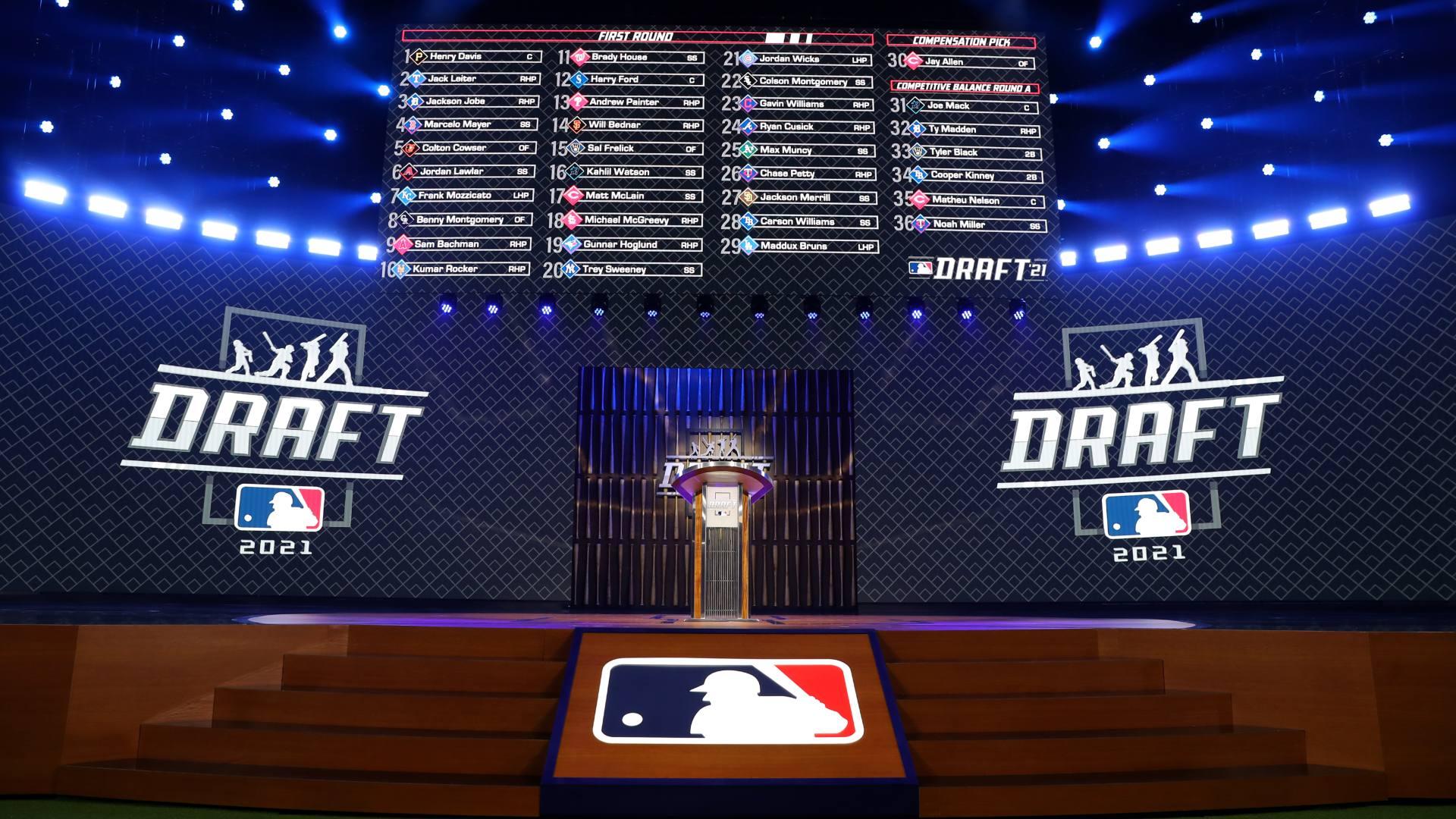
Every July, the MLB Draft brings a surge of excitement. Front offices tout upside, fans imagine future superstars, and prospects hear their names called, picturing their first steps toward the majors. It feels like the ultimate promise, a clean slate where talent, hard work, and a bit of luck collide.
Yet the draft is far more than a showcase of potential. It is a carefully structured system designed to maintain competitive balance, manage team spending, and reduce organizational risk. Competitive balance picks, slot values, and international signing rules create boundaries that shape every selection, ensuring that even the most talented teams cannot simply stockpile prospects without consequences.
Despite all the preparation, scouting, and analytics, the first-round spotlight rarely guarantees stardom. Most highly touted picks never become household names. Baseball’s unique blend of physical skill, mental adaptability, and unpredictable development means that even “can’t-miss” prospects can stumble, and lower-round selections sometimes surprise everyone. Factors such as injuries, adjustments to professional pitching, and the mental grind of a long season can derail even the most promising careers.
A Blend of Art & Science
Modern teams approach the draft with a blend of art and science. Scouts evaluate tools, analytics provide context, and front offices weigh upside against risk. Slot values, signing bonuses, and service-time considerations all factor into the decisions that will define a franchise’s future. Each pick is a calculated gamble, a mixture of projection and hope, framed by rules that aim to keep the league competitive and teams accountable.
Understanding the draft helps fans see why hype alone does not guarantee results. It also reveals how intricate the process is, from evaluating raw talent to navigating organizational strategy, and why the journey from draft day to MLB stardom remains one of the most uncertain, fascinating paths in sports.
→ Go Back: How the Draft Works: Strategy, Lottery Picks, and Bonus Pools
What Is the First-Year Player Draft?
The MLB First-Year Player Draft, often called the Rule 4 Draft, is the primary way teams acquire amateur talent. Each year, franchises select players from high schools, colleges, and certain international programs already competing in U.S. schools. This is where raw potential meets opportunity, and where organizations begin building the next generation of professional players.
The draft currently consists of 20 rounds, a significant reduction from the 40 rounds held prior to 2021. That change reshaped the landscape of talent acquisition. With fewer selections, teams now face higher stakes for each pick, emphasizing careful scouting, precise analytics, and strategic planning. Every slot carries more weight, making decisions about upside versus risk even more critical.
For prospects, being drafted is just the first step in a long journey. Even high-round selections must prove themselves in the minors, adapt to professional routines, and navigate the mental and physical demands of baseball life. For teams, the reduced draft also amplifies the importance of complementary strategies, including international signings, trades, and the development of late-round gems.
Understanding the structure and strategy behind the First-Year Player Draft gives fans a clearer perspective on why each pick matters, how front offices plan years in advance, and why the path from amateur standout to major leaguer is never guaranteed.
The Draft Lottery: No More Automatic Tanking Rewards
For decades, the team with the worst record earned the first pick in the MLB Draft. It was simple, predictable, and unfortunately, easy to exploit. Teams could lose intentionally, tanking, to secure a higher draft spot, and fans often watched the results with frustration.
MLB changed the game with the introduction of the Draft Lottery, a system designed to balance fairness, competitiveness, and integrity. Now, the first six picks are determined by lottery rather than by record alone. All non-playoff teams are eligible, but finishing with a worse record only increases a team’s odds, it does not guarantee the top selection.
The lottery includes additional restrictions to discourage intentional losing while still supporting franchises that need help. Small-market teams can only win a lottery pick for two consecutive seasons, while large-market teams are limited to a single lottery pick. If a team exceeds these limits, it is moved back in the draft order, making strategic planning even more critical.
By introducing these rules, MLB aims to reduce tanking without removing the support struggling teams need. The system forces organizations to focus on building competitive rosters, scouting wisely, and developing talent, rather than relying on losing as a strategy. Fans can now enjoy a more unpredictable, competitive draft while understanding that each lottery pick represents both potential and calculated strategy.
Competitive Balance Picks: Extra Help for Certain Teams
Not all draft picks are created equal. Competitive Balance Picks exist to give additional support to small-market and low-revenue teams, helping them remain competitive in a league where financial resources vary widely. These picks give franchises a little extra leverage to acquire talent they might otherwise struggle to sign.
Competitive Balance Picks appear in two designated slots. Round A picks occur immediately after the first round, while Round B picks follow the second round. Despite their supplemental status, these selections carry their own slot values and count toward a team’s overall draft bonus pool. This makes them more than just “extra picks”, they are strategic tools for roster building and talent acquisition.
Teams often use Competitive Balance Picks creatively. Because they come with designated slot money, organizations can leverage them to sign players who may be difficult or expensive to secure, including high-upside prospects with strong college or international options. These picks allow franchises to stretch their resources, balance risk, and target players who might otherwise fall outside their reach.
By understanding how Competitive Balance Picks work, fans can see how MLB levels the playing field and how teams use strategy, money, and foresight to strengthen their rosters beyond the standard draft order.
Trading Picks: What’s Allowed (and What Isn’t)
In MLB, draft picks are valuable assets, but the league tightly regulates how teams can trade them. Not every pick is negotiable, and the rules ensure that organizations use draft capital strategically rather than simply stockpiling selections.
Teams can trade Competitive Balance Picks from Rounds A and B. Each pick can only be traded once, and only during a limited window each season, which forces teams to plan carefully and weigh short-term needs against long-term development. These trades give franchises flexibility to acquire established talent or fill immediate roster gaps without undermining the fairness of the draft.
On the other hand, certain picks cannot be traded under any circumstances. First-round picks, lottery picks, supplemental picks, and picks tied to free-agent compensation all remain off-limits. MLB enforces these restrictions to protect the integrity of the draft and ensure that the system continues to support competitive balance across all teams.
Understanding which picks can move, and which are locked in place, helps fans see the strategic layer behind roster-building decisions. Teams must juggle immediate needs, long-term potential, and the rules of the system, all while navigating a draft that has become as much about planning and strategy as it is about selecting the next generation of stars.led.
The Bonus Pool System: Money Controls Everything
In the modern MLB Draft, money plays a major role in shaping strategy. Each team is assigned a total bonus pool, determined by draft position and the inclusion of any Competitive Balance Picks. This pool dictates how much a team can spend on signing its draftees, creating both opportunity and constraint.
Teams can use their bonus pool creatively, choosing to spend more on one high-upside prospect while saving money on another. This flexibility allows franchises to pursue difficult-to-sign players, reward top talent, or take calculated risks on players with long-term potential. However, exceeding the allotted pool carries serious consequences. Teams that overspend face luxury taxes and may even lose future draft picks, which makes careful planning essential.
The bonus pool system explains some of the quirks fans see every draft. College seniors are often signed for relatively low bonuses, reflecting limited leverage, while high school players can command above-slot deals if teams want to entice them to forgo college. Occasionally, “surprise” picks appear early in rounds because a team strategically allocates its pool to acquire a player they believe has hidden value.
By understanding the bonus pool system, fans can see how money influences not just who gets drafted, but also how teams manage risk, leverage opportunities, and build the foundation for future success.
The Reduction in Draft Rounds: Fewer Chances, Higher Stakes
For decades, the MLB Draft extended through 40 rounds, giving teams ample opportunities to take flyers on long-shot prospects and build organizational depth. Today, the draft consists of just 20 rounds, a change that has reshaped strategy, risk, and opportunity.
With fewer late-round picks, teams have less room to experiment or gamble on high-upside players who may need time to develop. Many players who would have been drafted in the past now enter professional baseball as un-drafted free agents, creating new challenges for both organizations and prospects. The reduction also places greater pressure on every selection. Front offices must evaluate talent more carefully, balance upside with readiness, and allocate their bonus pools with precision.
For players, fewer rounds mean fewer safety nets. One bad year, a slow showcase, or an injury can have far-reaching consequences, making every performance count more than ever. For teams, the shortened draft requires sharper scouting, more creative roster-building strategies, and a greater reliance on international signings, trades, and development systems.
By understanding the reduction in draft rounds, fans can appreciate why every pick carries so much weight, why missed evaluations are more costly, and how modern MLB teams must adapt to a system where every decision matters.
Busts vs. Breakouts: The Uncomfortable Truth
The MLB Draft is as unpredictable as it is exciting. Despite the hype, top picks are far from guaranteed stars, and the road from draft day to major league success is filled with uncertainty.
Depending on how you measure success, roughly 60 to 65 percent of first-round picks never become impact MLB players. About a quarter to a third never even reach the majors. And fewer than 10 percent evolve into All-Stars. Even players considered “safe” college bats can struggle to adjust to professional pitching, while elite high school arms may falter under the physical and mental demands of pro ball.
This unpredictability is why teams combine traditional scouting, analytics, individualized development plans, and strategic roster management. No single tool can guarantee a player’s success. Breakouts happen when talent, coaching, work ethic, opportunity, and sometimes luck align perfectly. Busts occur when one or more of these factors falter, reminding fans and teams alike that baseball development is a high-stakes gamble.
Understanding the volatility of the draft helps fans see why scouting and player development are as much art as science, and why even the most celebrated prospects can struggle while lesser-known players occasionally rise to stardom.
Why Busts Happen
Busts in the MLB Draft aren’t always a reflection of a player’s raw talent. Baseball is a game of projection, and even the most promising prospects can stumble for a variety of reasons. Injuries, particularly among pitchers, can derail careers before a player even reaches the majors. Poor development environments, whether due to inconsistent coaching or organizational missteps, can slow progress and leave talent untapped.
Mechanical changes meant to improve performance sometimes backfire, creating new issues rather than solving old ones. Mental and emotional strain also plays a role, as the pressures of professional baseball, long seasons, travel, and high expectations, can challenge even the toughest players. Additionally, late physical development by peers can change the competitive landscape, making a player who once dominated feel average against emerging talent.
Ultimately, drafting is a projection, not a guarantee. Teams and scouts attempt to predict future performance based on tools, data, and potential, but uncertainty is baked into every pick. Busts are a natural part of the system, a reminder that talent alone does not define a career, and that development, health, and adaptability are just as crucial to turning a prospect into a major league player.
Top Performers: Why Some Picks Beat the Odds
While the draft is unpredictable, some first-round picks defy expectations and flourish. Successful prospects often share several key traits that allow them to navigate the challenges of professional baseball. Adaptability stands out, players who can adjust to higher levels of competition, refine their mechanics, and respond to feedback tend to rise faster. Health is equally crucial; consistent availability allows skill and experience to compound season after season.
Strong development support can make all the difference. Prospects paired with dedicated coaches, veteran mentors, and clear organizational plans benefit from a roadmap that maximizes their growth. Mental resilience is another defining factor. Players who handle pressure, bounce back from failure, and stay focused on long-term goals often separate themselves from equally talented peers.
Ultimately, the MLB Draft provides opportunity, not destiny. Even the most highly touted prospects must combine talent with adaptability, guidance, and perseverance to reach the majors. Fans who understand these factors gain insight into why some players rise above the odds, transforming potential into professional success while others with similar tools may struggle to find their footing.
⸻
Final Thought: The Draft Is a Starting Line, Not a Finish Line
Getting drafted, especially in the first round, is a milestone worth celebrating. It represents recognition of talent, potential, and years of hard work. Yet it is only the beginning. Every draft pick is a bet by the team and a gamble by the player. Success is never guaranteed, and the journey ahead is often harder than anything that came before.
For every superstar who reaches the majors, dozens of stories go largely untold. Prospects who struggled with injuries, adjustments, or mental hurdles, and those who worked tirelessly yet never got the call. These untold paths underscore the unpredictability and challenge of professional baseball.
That uncertainty is what makes the MLB Draft so fascinating. It is a system of opportunity, projection, and strategy, where talent meets preparation, and potential meets circumstance. Understanding the draft reveals the complexity behind every selection, the care teams put into development, and the perseverance required to turn a name on a draft board into a major league career.
Curious about draft booms and busts?
→ Read more: Case Studies: When the Draft Gets It Right… and When It Doesn’t
Learn More About the Draft?
→ Return to: How the Draft Works: Strategy, Lottery Picks, and Bonus Pools
Share this content:
Post Comment